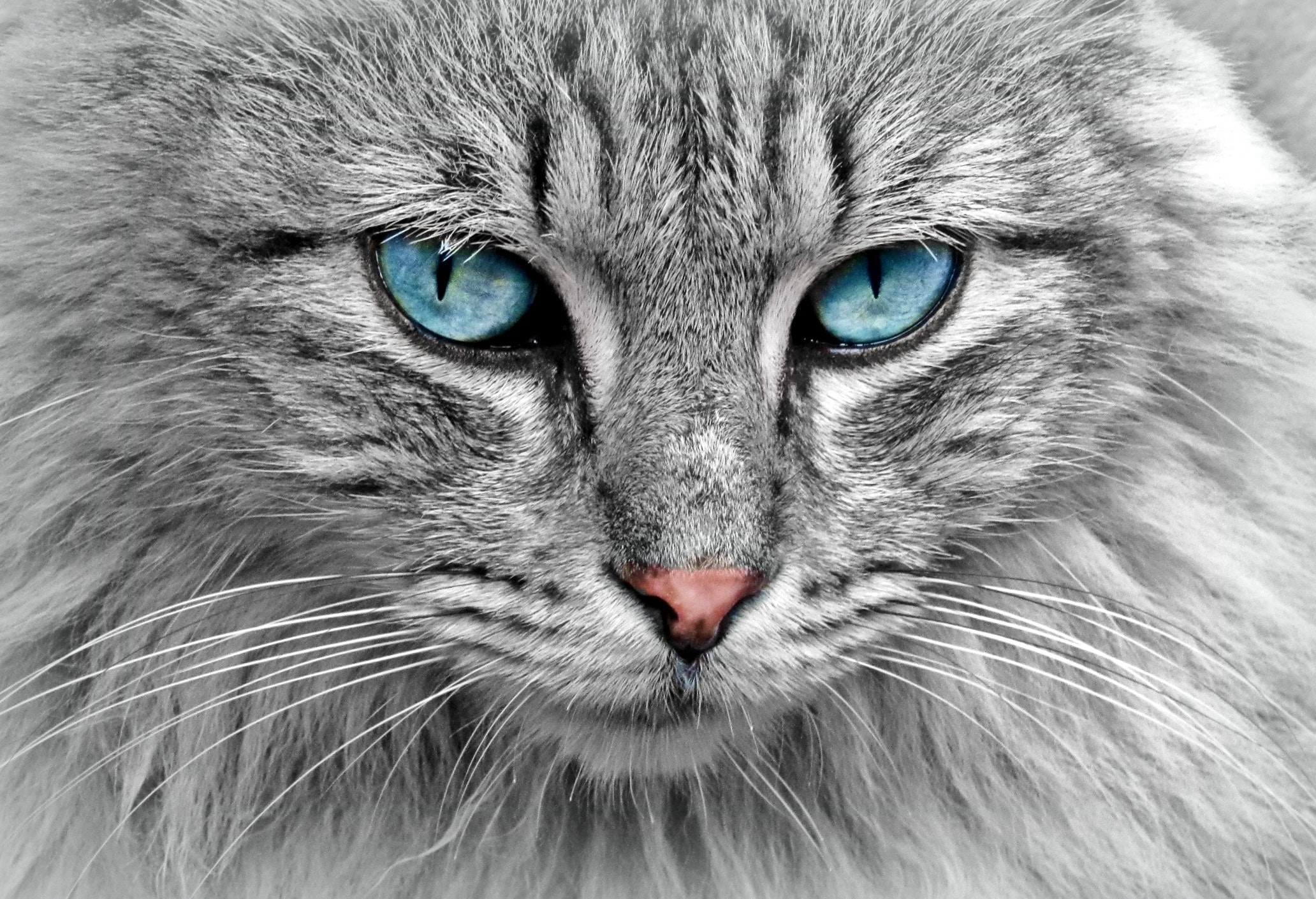
Cats, scientifically known as Felis catus, are one of the most popular and beloved pets worldwide. Renowned for their grace, independence, and mysterious charm, cats have captivated humans for centuries. With their sleek bodies, sharp claws, and keen senses, cats are natural-born hunters. Even domesticated cats exhibit their hunting instincts through playful pouncing, chasing, and stalking behaviors. However, behind their predatory nature lies a softer side. Cats are known for their affectionate behavior towards their human companions. They often form strong bonds with their owners, providing comfort and companionship.

Cats are fascinating creatures with a rich repertoire of communication. Through a combination of vocalizations, body language, and scent marking, they express their needs, emotions, and intentions. From gentle purring to indicate contentment, to hissing and growling when threatened, cats have a wide range of vocal signals. Their body language, including tail position, ear movement, and posture, conveys important messages about their mood and intentions. For example, a relaxed and confident cat may hold its tail upright, while a cat with a swishing tail and flattened ears may be agitated or fearful.

Cats are also known for their grooming habits, spending a significant amount of time cleaning their fur to keep it clean, healthy, and free from tangles. While grooming, cats inevitably ingest some of their own fur. This fur can accumulate in their stomachs and form hairballs. Hairballs are typically expelled through vomiting. However, excessive hairballs or difficulty in passing them may indicate an underlying issue, and it's important to monitor your cat's grooming habits and consult a veterinarian if necessary.

Cats rely on their whiskers to gather essential information about their surroundings. The length and positioning of their whiskers help cats gauge the width of openings and assess whether they can fit through narrow spaces. Whiskers are sensitive to even the slightest touch or change in air currents, allowing cats to navigate through dark environments with precision and avoid obstacles. They serve as a vital tool for hunting, helping cats detect the movement and location of prey.